One of the most important aspects of learning is understanding that every student learns differently. Some prefer reading, others learn through visuals, and some excel through hands-on experience. Unfortunately, most of our current educational material assumes a one-size-fits-all approach, leaving little room for personalisation.
I am someone who prefers visuals and hand-on learning and there have been many scenarios where I wished the books that I was reading had a way to elaborate the topic through an interactive video or practical exercise.
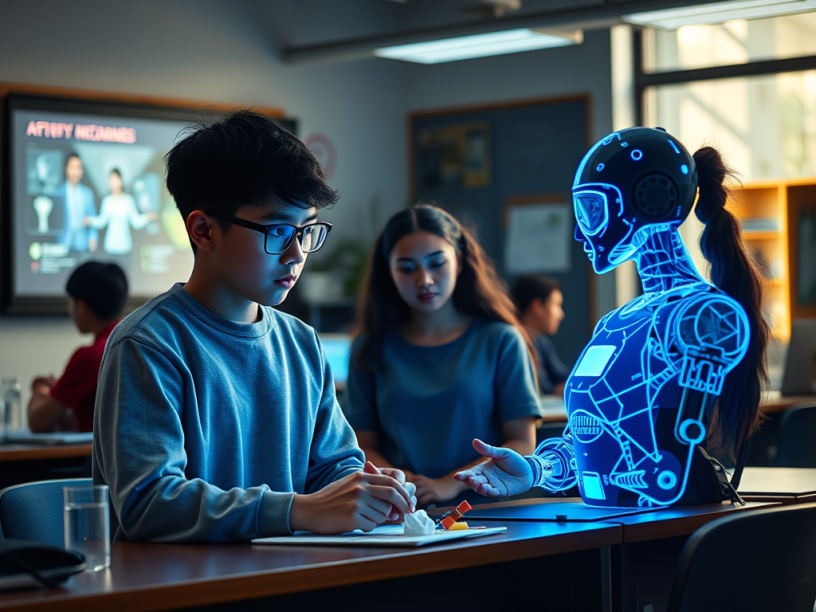
🎯 This is where AI Agents will make a big difference. Unlike traditional systems, AI agents can adapt to a student’s unique learning style by analyzing past interactions and tailoring content accordingly.
For example:
📍 If a student learns better through visuals, the AI agent can generate diagrams or videos.
📍 For a student who thrives on hands-on learning, the agent can design interactive exercises or simulations.
By doing this, AI agents act less like tools and more like personalized teachers, understanding what a student knows, what they struggle with, and how they prefer to learn.
I am hopeful that in 2025 and beyond, we can expect AI agents to be widely used in classrooms and educational platforms. They’ll help teachers save time by automating administrative tasks and providing personalized support to students.
Teachers can leverage AI agents in creating custom lesson plans and can answer student queries in a way that promotes deeper understanding, much like a skilled teacher does.
While these agents are not yet perfect, they are improving fast. In the coming years, they will likely become a key part of education, making learning more engaging, accessible, and effective.
🚀 The impact of AI agents will go beyond the classroom, transforming how students and teachers interact with technology. Education has long sought to personalize learning, and AI agents can finally making this vision possible.
🚀 AI Agents in Education can bring a much needed change in how we learn
 Vignesh Kumar